How a Video Appliance Diagnostic Works Before a Repair Visit
Picture this: your refrigerator stops cooling on a busy weeknight, your dryer starts making a grinding noise you have never heard before, or your dishwasher suddenly refuses to drain. The first instinct for most homeowners is to call a repair company and wait - sometimes for days - for a technician to show up, take a look, and finally tell you what is wrong. But what if a trained professional could assess your appliance problem before anyone ever walks through your door? That is exactly what a video appliance diagnostic call is designed to do, and it is quickly becoming one of the smartest first steps a homeowner can take when something goes wrong with a major appliance.
At Stark Appliance Repair, serving homeowners and businesses across Nassau County and Long Island, the video diagnostic call is an option that connects you with a certified appliance repair technician over a live video call. Before a single wrench is picked up or a service vehicle is dispatched, the technician gets eyes on your appliance, listens to your description of the problem, and begins working toward a real answer. It is a practical, modern approach to appliance repair that saves time, reduces frustration, and helps everyone involved come prepared.
This article walks you through exactly how a video appliance diagnostic works, what happens during the call, which appliances and problems it applies to, and why this kind of upfront assessment can make your entire repair experience smoother from start to finish.
What a Video Diagnostic Call Actually Is
A video diagnostic call is a scheduled live video session between you, the homeowner or business owner, and a certified appliance repair technician. Using the camera on your smartphone or tablet, you show the technician your appliance in real time. You describe what you are experiencing, demonstrate the problem if it is safe to do so, and answer questions from the technician while they observe what is happening on screen.
This is not a chatbot, an automated troubleshooting form, or a generic FAQ. It is a real conversation with a real professional who is trained to diagnose appliance problems. The technician uses what they see and hear to narrow down the likely cause of the issue, determine whether a repair visit is the right next step, and in many cases identify what parts or tools will be needed before they ever arrive at your home.
The concept is similar to what many medical professionals now offer through telehealth services. Just as a doctor can often make an informed preliminary assessment from a video call before scheduling an in-person appointment, an experienced appliance technician can often identify the core issue - or at least rule out several possibilities - by watching your appliance in action and asking the right questions.
It is worth being clear about what the video diagnostic is not meant to replace. It does not substitute for hands-on repair work. When a technician needs to open up a machine, test electrical components, replace parts, or physically inspect internal mechanisms, they still need to visit your home. What the video call does is make that visit far more efficient and far better prepared.
How the Process Works Step by Step
Understanding the flow of a video diagnostic call helps you feel comfortable and prepared going in. The process is straightforward, and most homeowners find it takes less time than they expected while delivering more clarity than they hoped for.
- Schedule your video call. You reach out to Stark Appliance Repair by phone at (516) 234-5374 or through the contact options on their website. You let them know you would like to start with a video diagnostic call, and a time is arranged that works for your schedule.
- Get your appliance ready. Before the call, make a note of when the problem started, what the appliance was doing at the time, any error codes displayed on a digital panel, and any sounds, smells, or visual changes you have noticed. If your appliance has been sparking, smoking, or showing visible damage to wiring or cords, do not attempt to operate it. Unplug it immediately and stop using it until a technician can assess it safely in person.
- Join the video session. At the scheduled time, you connect with the certified technician over video. You will use your phone or tablet camera to show them the appliance, the control panel, and any visible signs of the problem.
- Walk through the symptoms together. The technician will ask you questions and may ask you to demonstrate specific functions - turning a cycle on, adjusting a setting, or simply letting them hear a noise the machine is making. They will direct you on where to point the camera to get the best view of relevant areas.
- Receive a professional assessment. Based on what they observe and hear, the technician shares their findings. This may include a likely diagnosis, a recommendation for in-person repair, or guidance on whether the appliance needs immediate attention or can wait for a scheduled visit.
- Get a clear path forward. If a repair visit is needed, Stark Appliance Repair provides upfront, flat-rate quotes so you know what to expect before work begins. There are no surprise charges added after the fact.
The whole session is designed to put you in a position of knowledge rather than uncertainty. By the time the call ends, you understand what is likely wrong, what the next step is, and roughly what the repair will involve.
Which Appliances and Problems Benefit Most from a Video Diagnostic
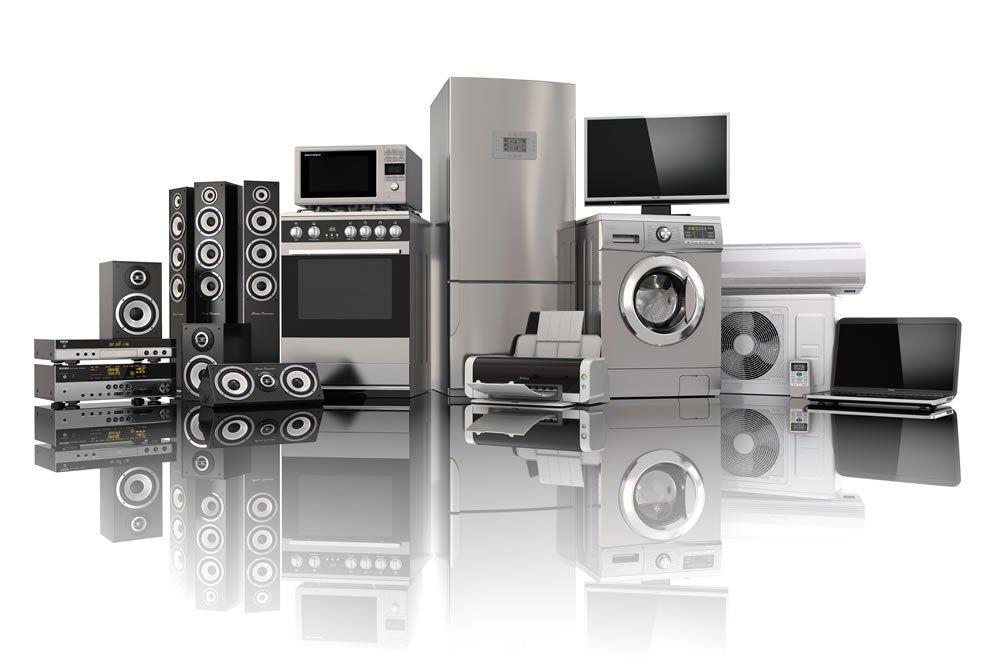
Video diagnostics are particularly well suited to appliances that display visible symptoms - things you can show on a camera or describe in detail. Stark Appliance Repair works on a wide range of residential appliances across Nassau County and Long Island, and many common problems in each category are strong candidates for a preliminary video assessment.
Refrigerators are one of the most common appliances for video diagnostics. If your refrigerator is not cooling properly, making unusual noises, leaking water, forming excessive ice, or showing an error code on the display panel, a technician can gather significant information from a video call. They can ask you to check the condenser coil area if accessible, observe the behavior of the compressor cycle, and assess whether the symptoms point toward a known component failure.
Washing machines and dryers are also excellent candidates. A dryer that is not heating, a washing machine that vibrates violently during the spin cycle, or a machine that stops mid-cycle and displays an error can often be partially diagnosed through careful observation and a guided walkthrough on video. The technician can listen to the sounds the machine makes during operation and ask questions about the load types, detergent use, and installation setup that might be contributing to the issue.
Ovens, stoves, and ranges present symptoms that can often be observed visually - an igniter that sparks constantly, a burner that will not light, an oven that heats unevenly, or a control panel that has gone dark. Dishwashers that are not draining, not cleaning properly, or leaking onto the floor can also benefit from a video assessment, since many of these problems relate to identifiable parts and observable conditions.
Microwaves with display issues, heating problems, or unusual sounds are another category worth noting. It is important to remember that microwave repairs involving internal electrical components carry specific safety considerations. If your microwave has stopped working entirely or you have noticed sparking or burning inside the unit, stop using it and unplug it. Do not attempt to open the casing yourself. A technician can advise you during the video call on the safest next steps.
As a general rule, any appliance problem that produces a visible symptom, an audible symptom, or an error code is a strong candidate for starting with a video diagnostic call rather than waiting in the dark until an in-person visit.
Why Starting with a Video Diagnostic Makes Your Repair Experience Better
There are real, practical advantages to beginning the repair process with a video diagnostic call rather than skipping straight to a service visit with no prior information exchanged. These benefits apply to both the homeowner and the technician, and they ultimately make the entire repair process more efficient.
The most immediate advantage is preparation. When a technician already has a strong sense of what is wrong before they arrive, they can bring the most likely replacement parts with them on the first visit. Appliance repairs that might otherwise require a return trip because a specific part was not on the truck can often be completed in a single visit when the diagnosis has been done in advance. For busy households and businesses on Long Island, that difference in timeline matters significantly.
A video diagnostic also gives you, the homeowner, something valuable: informed consent. You are not standing in your kitchen while a stranger tells you something is broken and you have no context for what that means or whether the repair is worth pursuing. Instead, you have already had a conversation with a knowledgeable technician. You understand the issue. You have an upfront flat-rate quote. You can make a confident decision about whether to move forward with the repair or consider other options.
There is also a safety dimension to the process. Some appliance problems should not be ignored or worked around while waiting for a service appointment. A technician who gets eyes on your appliance through a video call can flag situations that require more urgent attention - or advise you to unplug and avoid using the appliance entirely until it can be properly serviced. This is especially important for appliances that involve heat, water, or electrical connections, where continuing to use a damaged unit can create real risks.
Finally, the video diagnostic supports better communication across the board. Rather than trying to describe a strange noise over the phone or type out a problem description in a form, you can simply show the technician what is happening. That eliminates misunderstandings, prevents misdiagnoses based on incomplete information, and creates a shared understanding between you and the repair professional before anyone invests time in a service visit.
Preparing Your Home and Appliance for the Best Results
Getting the most out of a video diagnostic call comes down to a few simple steps you can take before the session begins. None of these require any technical knowledge - they are just about being ready to show and tell as clearly as possible.
- Write down the symptoms. Include when the problem started, how often it occurs, and whether it happened suddenly or gradually got worse over time.
- Note the brand and model number. This is usually found on a label inside the door, on the back of the unit, or in the user manual. Having the model number available helps the technician cross-reference known issues and parts availability for that specific appliance.
- Check for error codes. If your appliance has a digital display, write down any codes that have appeared. Even if they have cleared themselves, sharing what you saw can be useful diagnostic information.
- Make sure the area is well lit. Good lighting helps the technician see what they need to see on camera. If the appliance is in a dim corner or under-cabinet area, consider having a flashlight or using a secondary light source during the call.
- Have your phone charged and your connection stable. A dropped call mid-session wastes time for everyone. If your home Wi-Fi signal is weak near the appliance, use cellular data instead.
- Do not attempt repairs before the call. Avoid taking panels off, tampering with wiring, or running cycles repeatedly to try to reproduce the problem if doing so seems risky. Let the technician guide the process safely.
Taking these steps before the call ensures the session is as productive as possible and that the technician can give you the most accurate preliminary assessment the format allows.
When an appliance in your Long Island home or Nassau County business starts acting up, the instinct to just wait and see is understandable - but it is rarely the best strategy. Appliance problems tend to worsen over time, and in some cases, a relatively minor issue can become a costly one if it is not addressed in a reasonable timeframe. Starting with a video diagnostic call is a low-friction way to get real information fast, without committing to a service visit before you even know what you are dealing with.
Stark Appliance Repair is a Neighborly company with certified technicians serving residential and commercial customers across Nassau County and Long Island. All work comes backed by a guarantee on both workmanship and parts, and every repair is quoted upfront with flat-rate pricing so there are no surprises on the final bill.
If your appliance is giving you trouble and you want answers before scheduling a service visit, the video diagnostic call is the place to start. And if your appliance is sparking, smoking, or showing signs of electrical damage, stop using it, unplug it, and call right away. Ready to get started? Call Stark Appliance Repair at (516) 234-5374 or visit the video diagnostic page to book your call and take the first step toward getting your appliance back in working order.